
Look Sports Media – Following the conclusion of the inaugural First Stand tournament, Chris Greeley, Riot Games’ Global Head of League of Legends Esports, engaged with media outlets to dissect the event’s takeaways and unveil a strategic roadmap for the highly anticipated 2026 competitive season. Greeley’s briefing delved into pivotal adjustments impacting the LoL ecosystem, from bolstering regional representation to confronting the persistent logistical challenge of international visas.
CBLOL Secures Coveted Second Worlds Slot
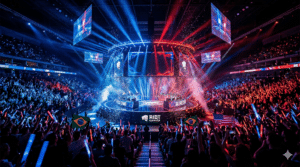
A standout revelation from the briefing was the official confirmation that Brazil’s CBLOL circuit will indeed receive an additional slot for the upcoming World Championship. While speculation among fans suggested this might be a reaction to community advocacy or recent competitive showings at the Americas Cup, Greeley clarified that the decision was the direct outcome of an internal Riot Games review. Initially, after the LCS and CBLOL were re-established as distinct entities, Brazil’s allocation reverted to a single slot. However, a comprehensive re-evaluation of the competitive landscape in January led the team to conclude that the region’s demonstrable growth and increasing depth warranted a second representative on the global stage.

Related Post
First Stand: A Triumphant Experiment for Riot Games
The First Stand tournament marked a significant new chapter for international League of Legends, establishing itself as a third major global event within the annual calendar. Greeley expressed immense satisfaction with this "experiment," noting that the expanded eight-team, full best-of-five structure resonated far more positively with the fanbase compared to previous iterations. "Viewership is up, and fan sentiment appears favorable," Greeley highlighted, underscoring Riot’s responsiveness to the community’s demand for more international play. Riot Games appears committed to sustaining this positive momentum as they look ahead to the Mid-Season Invitational (MSI).
Balancing Fan Engagement and Player Security
Early in the tournament, some attendees voiced concerns about feeling disconnected as players were swiftly escorted backstage post-match. Greeley directly addressed these issues, explaining that security protocols were promptly adjusted after the first day to facilitate more "authentic" engagement. Moving forward, the objective is to strike a crucial balance between ensuring player safety and enriching the fan experience, allowing those in attendance to cheer on their idols in a natural, unconstrained manner.
Navigating the 2026 World Championship and Visa Hurdles
With the 2026 World Championship set to be hosted in the United States, the conversation inevitably shifted to the complex logistical challenge of international visas. Riot Games is acutely aware of the historical "immigration issues" that have unfortunately impacted past events held in North America. Greeley assured that Riot maintains robust standard operating procedures to assist participating teams, collaborating closely with third-party agencies and government contacts to streamline the visa application process. While contingency plans are always in place for isolated cases, the developer is proactively working to ensure that the world’s premier talent can indeed make it to the competitive stage.
The Evolving Role of Third-Party Events
As the League of Legends esports calendar becomes increasingly dense, Greeley also touched upon the landscape of external tournaments. While Riot Games remains open to discussions about harmonizing official and third-party events, he indicated that exclusive arrangements for flagship competitions like Worlds are likely to remain improbable. For now, the primary focus remains on refining Riot’s own competitive circuit, ensuring the ecosystem remains stable and globally accessible for a worldwide audience, as reported by looksports.media.


Leave a Comment